


CBD Myths & Facts

General & Effects

Does CBD get you high? No. The compound responsible for the intoxicating "high" in marijuana is THC, not cannabidiol. They work through entirely different pathways in the body, and this compound produces no psychoactive or euphoric effects whatsoever.

Read the Full Story 

CBD and marijuana are not the same thing. CBD comes from hemp, a cousin to the marijuana plant. Both belong to the cannabis family, but hemp contains extremely little THC — the compound responsible for the high — while marijuana is bred to be rich in it.

Read the Full Story 

Is CBD addictive? No. The World Health Organization reviewed the evidence in 2018. They concluded that CBD shows no potential for abuse or dependence. Unlike THC or opioids, CBD does not activate the brain's reward pathways. Users do not experience cravings or withdrawal when they stop taking it.

Read the Full Story 

How much CBD should you take? Less than you might think. Research suggests CBD follows a bell-curve response — meaning there is a sweet spot, and taking too much can actually reduce its effectiveness. Starting low and adjusting gradually is the right approach for most people.

Read the Full Story 

How long does CBD take to work? It depends on how you take it, what you are using it for, and your own biology. For most uses, CBD requires consistent daily use over several weeks before meaningful effects are noticed. The exception is sublingual tinctures — held under the tongue — which can take effect within 15 to 45 minutes.

Read the Full Story 

What does CBD actually do? Less than some claim, but more than skeptics admit. CBD is not a miracle cure. The science is genuinely promising for certain conditions — particularly epilepsy, anxiety, and inflammation — but the evidence is still developing for other uses.

Read the Full Story 

Does CBD make you tired? Not usually. At normal doses, CBD does not cause sedation. In fact, low to moderate doses are associated with alertness rather than drowsiness. If you feel sleepy after taking a CBD product, check the label — many CBD products are specifically formulated for sleep and include added melatonin or other sleep-supporting ingredients. The drowsiness is coming from those additives, not the CBD itself.

Read the Full Story 

Is CBD only for sick people? Absolutely not. A growing number of healthy people use CBD as a daily wellness supplement — for stress management, better sleep, workout recovery, and general well-being. You do not need a diagnosis to benefit from it.

Read the Full Story 

Legality & Regulation

Is CBD legal in the US? Yes — with an important distinction. Hemp-derived CBD containing less than 0.3% THC is federally legal under the 2018 Farm Bill. It can be bought, sold, and shipped across state lines. Marijuana-derived CBD remains federally controlled, though many states have their own laws permitting it.

Read the Full Story 

Is CBD regulated by the FDA? Not in the way most people assume. The vast majority of CBD products on the market are not FDA-approved. The only FDA-approved cannabidiol medication is Epidiolex, a prescription drug for epilepsy. Over-the-counter CBD supplements exist in a largely unregulated space, which makes it critical to choose products that have already been third-party tested.

Read the Full Story 

Are CBD product labels accurate? Often not. Studies have found that a majority of products contain different amounts of cannabidiol than claimed — sometimes significantly more, sometimes less. Before you buy, always look for a third-party Certificate of Analysis (COA) that confirms what is actually in the bottle.

Read the Full Story 

Hemp CBD vs marijuana CBD legality — they are not the same, even though the molecule is chemically identical. Hemp-derived CBD is federally legal across the US. Marijuana-derived CBD is federally controlled. Where it comes from determines its legal status, not what it is.

Read the Full Story 

Drug Testing & Safety

Will CBD make you fail a drug test? Pure CBD will not. Standard drug tests screen for THC metabolites, not CBD. However, full-spectrum products contain trace amounts of THC that could accumulate with heavy or prolonged use and potentially trigger a positive result. If drug testing is a concern, CBD isolate is the only truly safe option. Broad-spectrum products are a better choice than full-spectrum but may still contain trace amounts of THC.

Read the Full Story 

CBD side effects are real, though generally mild. Most people tolerate CBD very well, but it is not completely without effect. The most commonly reported side effects include dry mouth, mild drowsiness at high doses, changes in appetite, and digestive upset. These are generally dose-dependent and temporary.

Read the Full Story 

Does CBD interact with medications? Yes, it can — and this is one of the most important safety considerations for anyone on prescription drugs. CBD affects liver enzymes that process many common medications. If you take any prescription drug, speak with your doctor or pharmacist before adding CBD to your routine.

Read the Full Story 

Is CBD safe? For most healthy adults at typical doses, yes. The weight of scientific evidence indicates that CBD is safe, and the World Health Organization has found no public health risks associated with its use. The real danger is not CBD itself — it is poor product quality in an unregulated market.

Read the Full Story 

Products

Are all CBD products the same? Not even close. There are enormous differences in type, quality, potency, and formulation. Full-spectrum, broad-spectrum, and isolate are three fundamentally different product types. Delivery method, concentration, and third-party testing all affect what you actually get.

Read the Full Story 

Does expensive CBD mean better quality? Not necessarily. Price is not a reliable indicator of quality. Very cheap products are often a red flag, but premium pricing does not guarantee better CBD. Third-party lab testing, transparent sourcing, and the actual milligrams of CBD per dollar are far better indicators of quality than price alone.

Read the Full Story 

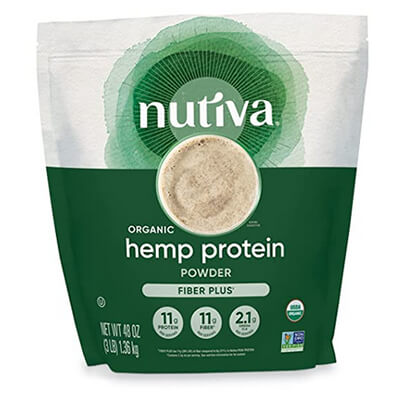
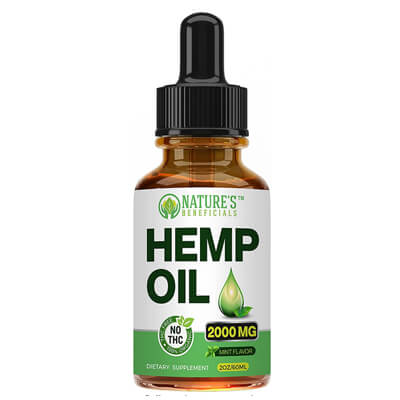
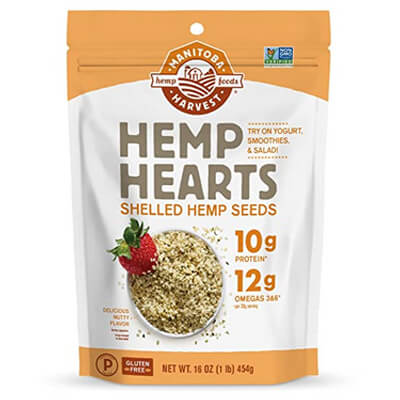
Is hemp seed oil the same as CBD oil? Absolutely not. Hemp seed oil is pressed from hemp seeds and contains no CBD at all. CBD oil is extracted from the flowers, leaves, and stalks of the plant, where cannabinoids are concentrated. They are completely different products and should not be used interchangeably.

Read the Full Story 

Is full-spectrum CBD better than isolate? Not necessarily. The right choice depends on your situation. Full-spectrum may offer enhanced effects through the entourage effect, but isolate is the better choice for people subject to drug testing, those sensitive to THC, or those who want precise and predictable dosing.

Read the Full Story 

Does topical CBD absorb into the bloodstream? It depends on the product. Standard topicals — creams, balms, and lotions — work locally in the skin and underlying tissue and do not significantly enter the bloodstream. Transdermal patches, however, are specifically designed to go deeper and do reach the bloodstream. These are two very different product types with very different purposes.

Read the Full Story 

Pets

Is CBD safe for dogs and cats? It can be, but not in the same way as for humans. Dogs and cats both process cannabinoids differently from humans and from each other. Dogs have a higher density of cannabinoid receptors in the brain, making them especially sensitive to THC. Cats process cannabinoids more slowly, meaning compounds linger in their system longer. Both species can have serious reactions to THC — which must be completely absent from any pet product. Always consult a veterinarian before giving CBD to your pet.

Read the Full Story 

Will CBD get my dog high? No. CBD will not intoxicate your pet. The intoxicating effects of cannabis come from THC, not CBD. A properly formulated, THC-free pet product will not cause intoxication in dogs or cats. The concern is not CBD itself — it is making absolutely sure the product contains no THC.

Read the Full Story 

Is CBD only good for anxious pets? Not at all. While CBD is well known for helping anxious animals, its potential benefits go well beyond anxiety. Research and veterinary experience suggest it may also support joint health, mobility, seizure management, general comfort, and overall wellness in dogs and cats.

Read the Full Story 

Can pets take human CBD? No. Human CBD products are not appropriate for pets. Pet formulations are specifically designed with appropriate concentrations, pet-safe carrier oils, and verified absence of THC. Human products may contain ingredients — including xylitol, certain essential oils, or carrier oils — that are toxic to animals.

Read the Full Story